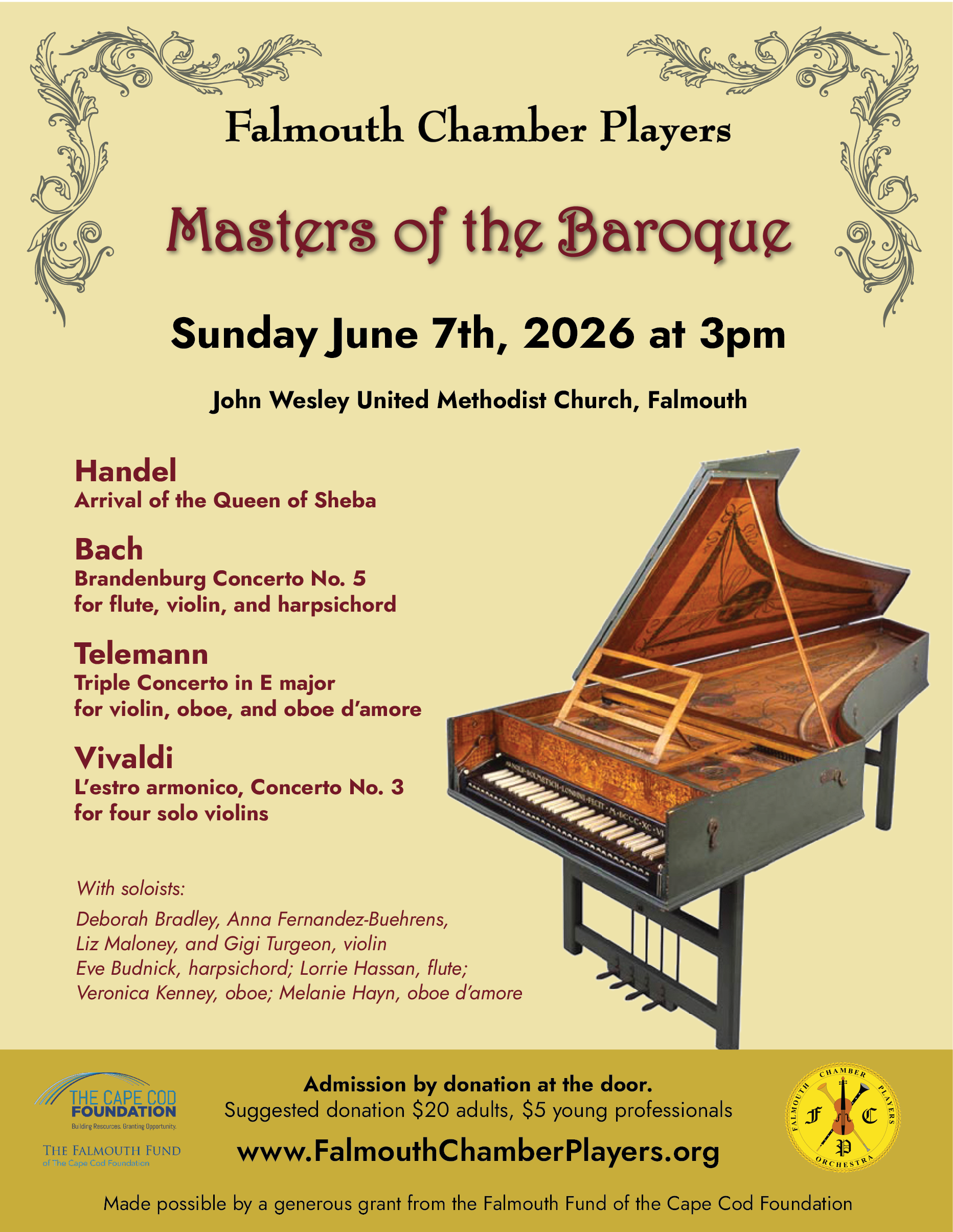
The Falmouth Chamber Players Present Masters of the Baroque
The Falmouth Chamber Players present “Masters of the Baroque” on Sunday, June 7, at 3 PM at John Wesley United Methodist Church, 270 Gifford Street in Falmouth.
The program includes four iconic works by Bach, Telemann, Vivaldi, and Handel. All four Masters were well-known for their virtuosic skill in instrumental performance and stylistic flair in music composition. They enjoyed great popularity and success during their lifetimes creating a total of over 5,536 compositions incorporating every style and genre of the Baroque era.
“We are pleased to dedicate this concert to Fritz and Laura Sonnichsen,” said Melanie Hayn, president of the orchestra. “They were our president and vice president for 14 years and have always had a love for Baroque music and envisioned adding a Baroque concert to our season schedule. We are happy to be able to present this concert for them, and for the community, and to give the audience an opportunity to get to know some of our many talented and dedicated musicians better.”
Soloists are Deborah Bradley, Anna Fernandez-Buehrens, Liz Malony, and Gigi Turgeon, violin; Eve Budnick, harpsichord; Lorrie Hassan, flute; Veronica Kenney, oboe, and Melanie Hayn, oboe d’amore.
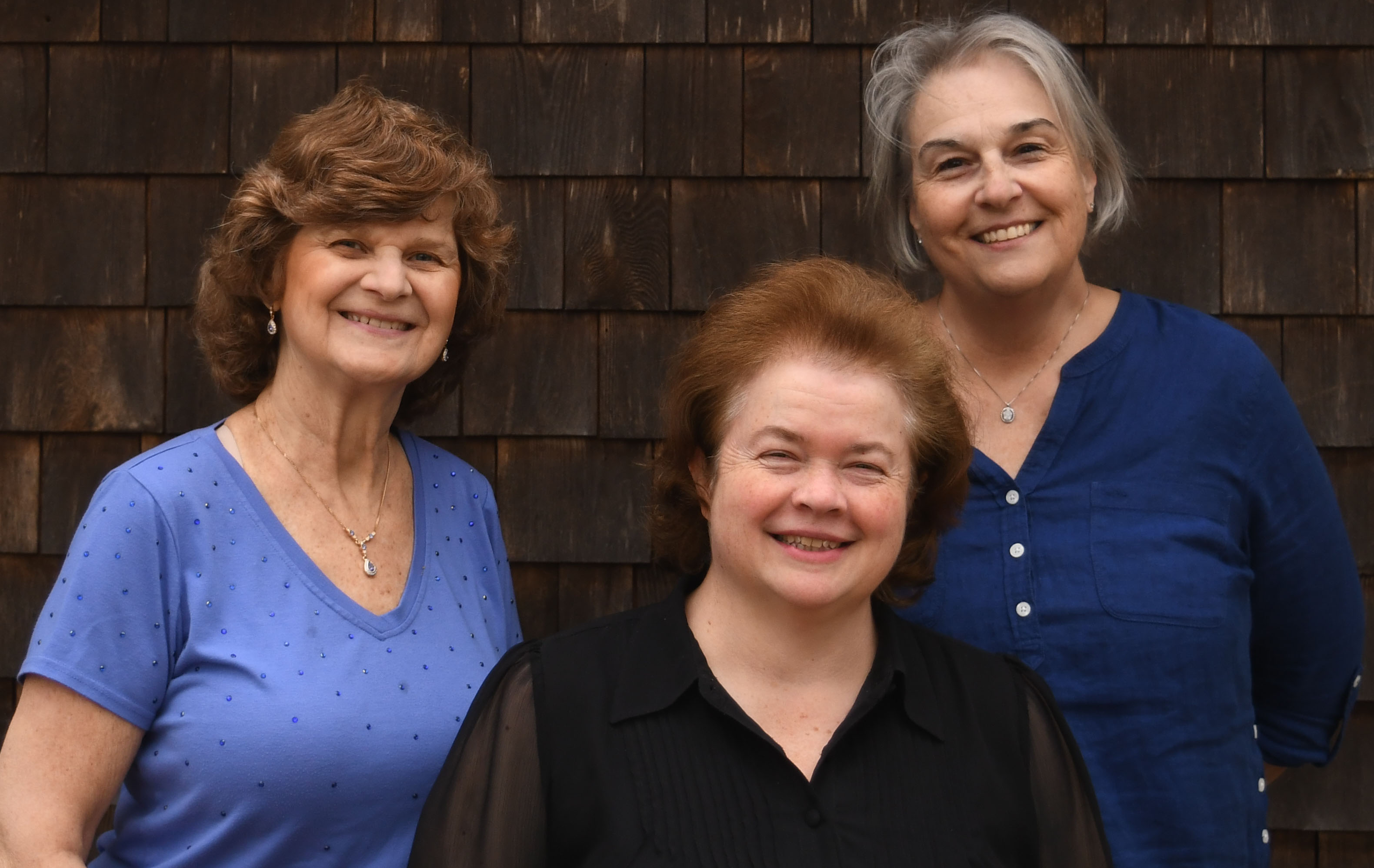
The program opens with Johann Sebastian Bach’s Brandenburg Concerto No. 5 in D major featuring flute, violin, and harpsichord solos by Hassan, Turgeon, and Budnick, respectively. The work is particularly notable for its virtuosic harpsichord part, since, at the time it was written, the instrument was usually given only a background role. Considered to be one of the earliest keyboard concertos, the piece is thought to have been inspired by Bach’s recent purchase of a new harpsichord. It is likely that Bach performed the harpsichord part himself to show off the new instrument.
The harpsichord is an equal partner throughout the piece, and particularly shines in its long, dramatic cadenza in the first movement. The second movement is played by the three solo instruments alone, emphasizing interplay among them, and the third movement is a lively gigue with the three soloists taking turns in the lead.
Bach composed the pieces that became known as his Brandenburg Concertos between 1713 and 1721 while living in Cothen. He collected them into a set he called “Six Concertos for Several Instruments” and presented them to Margrave Christian Ludwig of Brandenburg in hopes of acquiring a position in the Brandenburg court. However, there is no record of the Margrave having had them performed, and they were passed along to others after his death in 1734. They were rediscovered in 1849 and published in 1850, the centennial of Bach’s death, as the Brandenburg Concertos. It was only after they were first recorded in 1936 and interest grew in historically informed performances using Baroque instruments that they became widely performed.
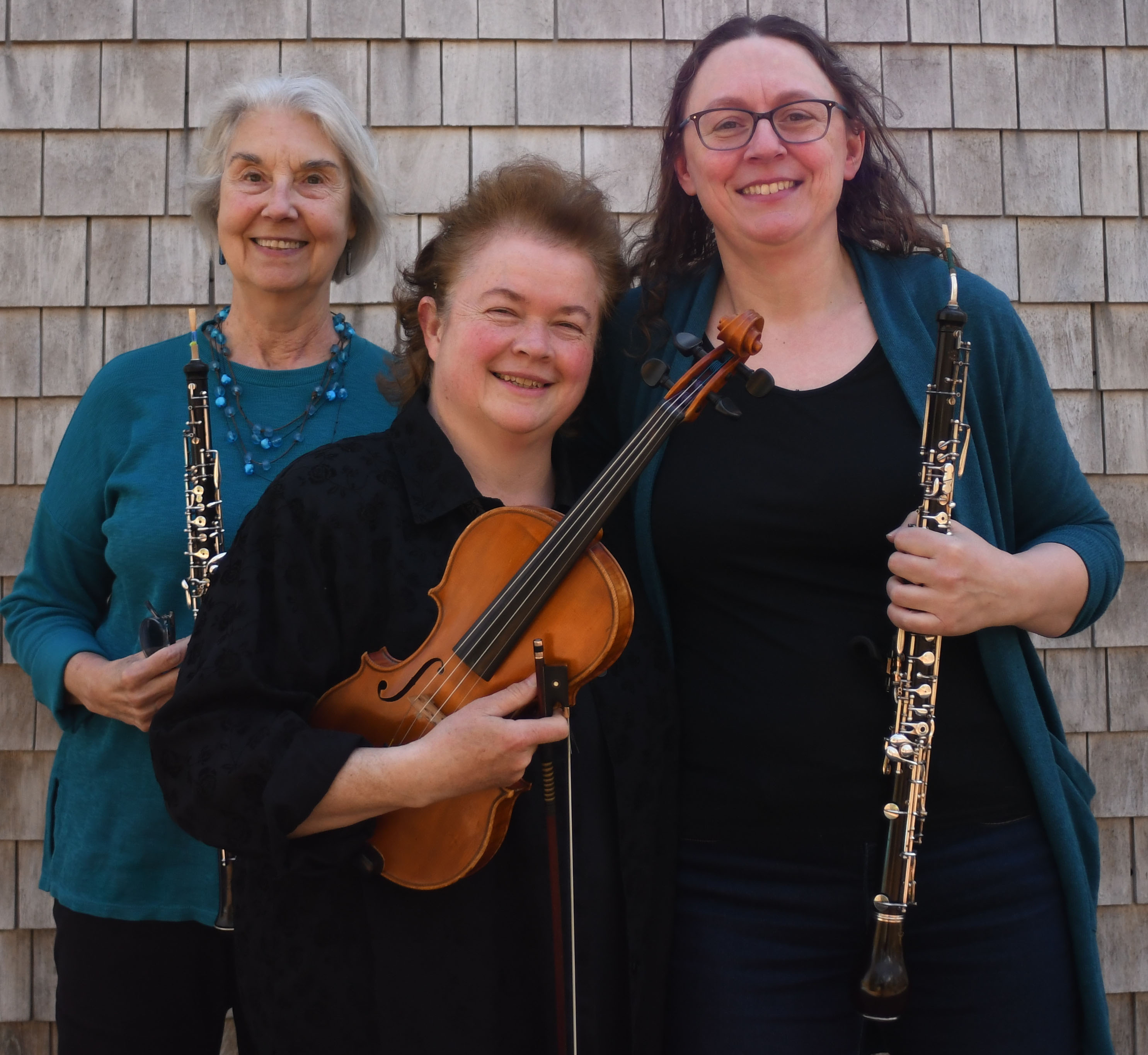
Georg Philipp Telemann was considered by his contemporaries, including his dear friend Bach, to be one of the leading influential German composers of the time. “His Concerto in E major for oboe, oboe d’amore, and violin,” said Gigi Turgeon, “offers melodic richness, harmonic interest, and soloistic virtuosity. The concerto demonstrates Telemann’s ability to bend musical styles and unique colors within a skillful orchestration.”
The concerto features Gigi Turgeon, violin, Veronica Kenney, oboe, and Melanie Hayn, oboe d’amore. “The interplay among the violin, oboe, and oboe d’amore is playful and intricate,” said Hayn. “The concerto gives all three instruments the chance to display their interpretations and variations on the main melodies.”
Both Bach and Telemann frequently wrote for the oboe d’amore (love oboe), which is slightly larger than the standard oboe and has a more tranquil and serene tone. Hayn plays a mid-twentieth century replica of a period instrument that was previously owned by oboist and philosopher of music, art, and literature Peter Kivy, who spent summers in Woods Hole for over 50 years. She is delighted to be able to play it in this triple concerto.
Antonio Vivaldi’s L’Estro Armonico, “The Harmonic Inspiration,” in F major, Op. 3, No. 9 features four solo violins: Deborah Bradley, Anna Fernandez-Buehrens, Liz Maloney, and Gigi Turgeon.
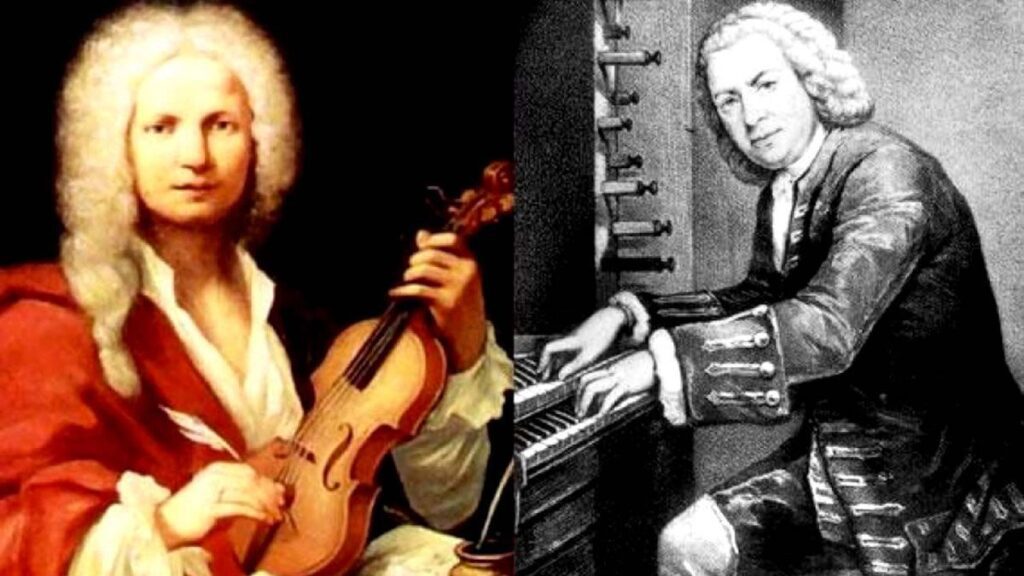
L’Estro Armonico is a set of twelve concertos for string instruments. It was composed for performances in the Ospedale della Pieta; the convent, orphanage, and music school in Venice where Vivaldi taught music for over 30 years. He used it to showcase his advanced pupils as soloists while encouraging other students to learn the necessary art of accompanying skills within the ensemble.
Considered “the most influential collection of instrumental music to appear in the whole of the eighteenth century” by Vivaldi scholar Michael Talbot, the concertos were widely performed in Italy and throughout Europe. Bach was inspired by them and transcribed six of the concertos for harpsichord and organ. His interest in Vivaldi’s works led to a Vivaldi revival in the early twentieth century.
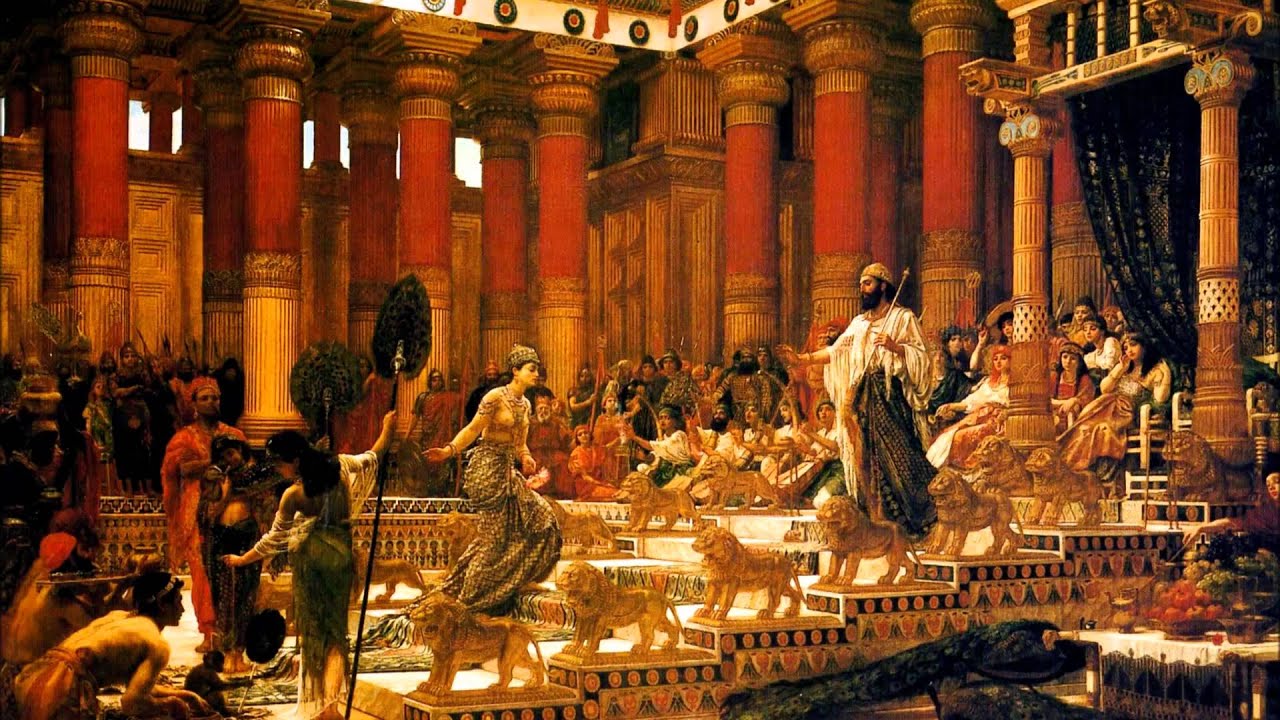
The final piece in the concert is “Entrance of the Queen of Sheba,” from one of George Frideric Handel’s last oratorios, Solomon. The oratorio praises King Solomon’s wisdom and the splendor of his royal court. “Entrance” is a joyful, buoyant sinfonia celebrating the pending arrival of the Queen of Sheba (probably modern-day Yemen), accompanied by a caravan of camels laden with sumptuous gifts for the King.
At its premier in 1749, Solomon was likely interpreted as a compliment to then-King George II. Usually performed separately, “Entrance” is one of Handel’s most famous and best loved works and continues to be played at festive occasions involving the English royal family and, in this country, at weddings and other happy occasions. Featuring lively interwoven solos by two oboes and vivid playing by the strings and harpsichord, “Entrance of the Queen of Sheba” captures the richness of the royal court and the excitement of receiving a royal friend and ally.
A donation at the door of $20 for adults and $5 for young professionals is suggested, with free admission for students. Tickets are available only at the door. For more information, visit falmouthchamberplayers.org.
This concert was funded in part by a generous grant from the Falmouth Fund of the Cape Cod Foundation. The FCPO is funded in part by the Arts Foundation of Cape Cod, the Falmouth Cultural Council, the Mass Cultural Council, Cape Cod Melody Tent, and the Woods Hole Foundation.