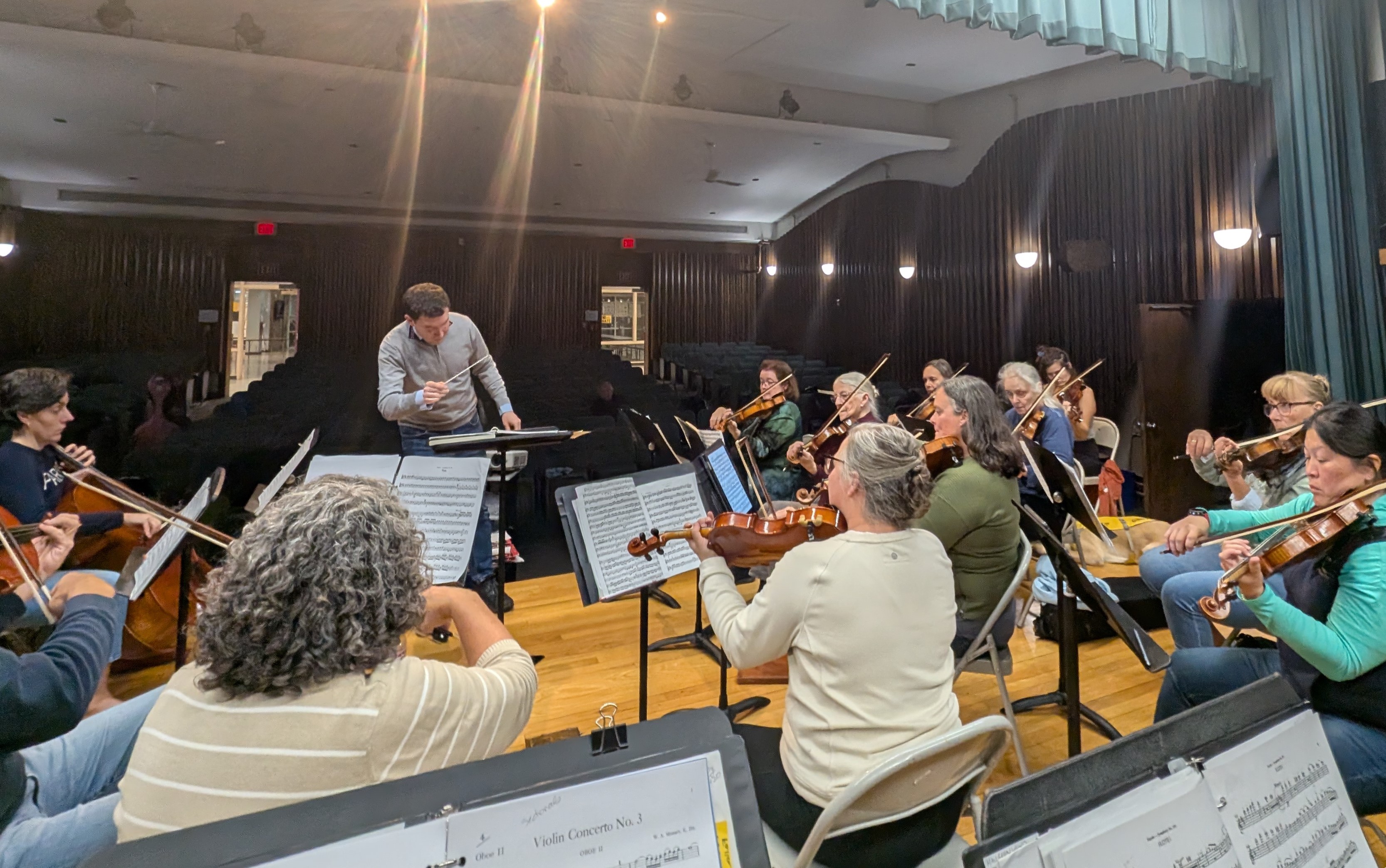
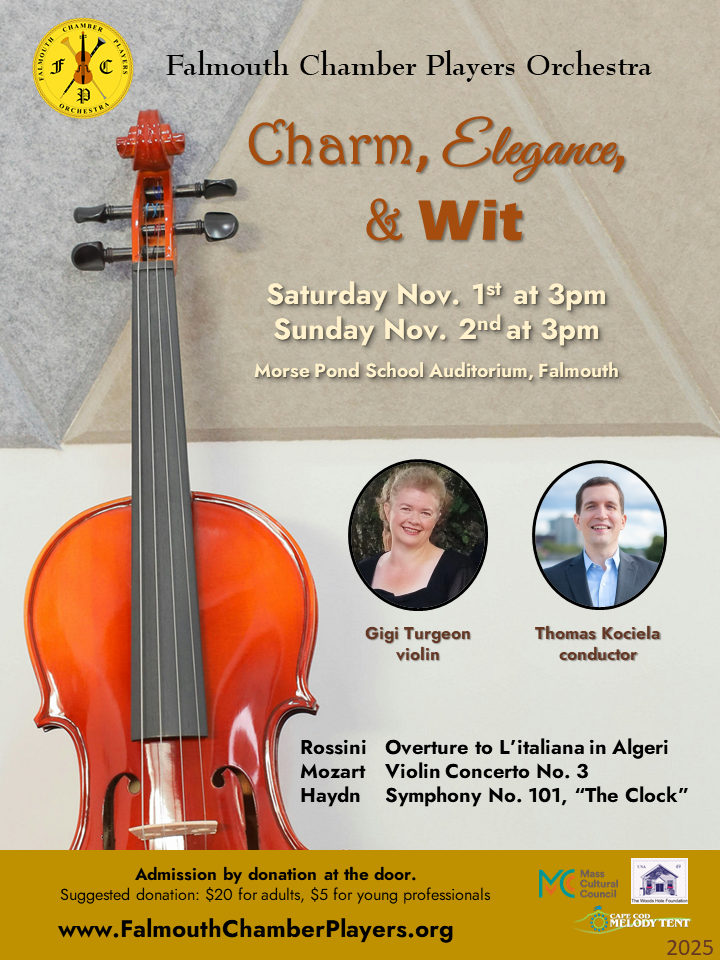
The Falmouth Chamber Players Orchestra, under the direction of conductor Thomas Kociela, will present its Fall Concerts, titled “Charm, Elegance, and Wit,” on Saturday, November 1, at 3 PM, and Sunday, November 2, at 3 PM, at Morse Pond School Auditorium, 323 Jones Road, in Falmouth.
The program includes the Overture to L’italiana in Algeri by Rossini, Mozart’s Violin Concerto No. 3 featuring soloist Gigi Turgeon, and Haydn’s Symphony No. 101, “The Clock.”
“We are pleased to welcome back Thomas Kociela as our conductor for this season,” said Melanie Hayn, president of the orchestra. Thomas G. Kociela, FCPO conductor for the 2025-2026 season, is also music director of the Rhode Island College Symphony Orchestra and the Parkway Concert Orchestra (Norwood, MA).
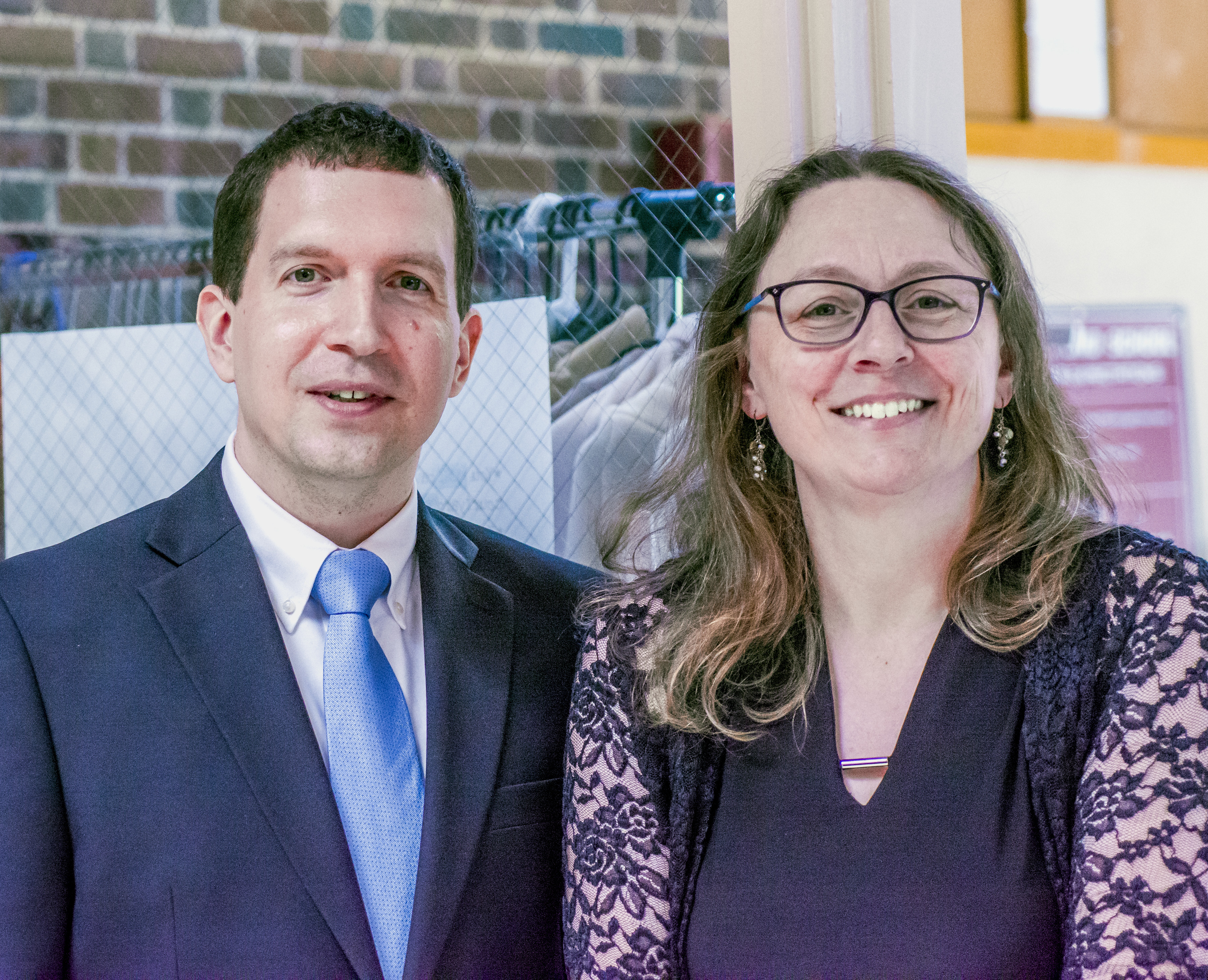
Of the program, Kociela says, “The program title, ‘Charm, Elegance and Wit,’ says it all. Rossini brings the charm, drawing listeners in with his unmistakable style and spirited energy. Next, Mozart’s elegant Violin Concerto No. 3 is performed by our concertmaster Gigi Turgeon, whose artistry brings to life Mozart’s blend of grace, expressive lyricism, and precise clarity. And Haydn, of course, can’t resist showing off his wit. Through playful craftsmanship, Haydn continually delights, setting up expectations and then turning them upside down in the most surprising way. Together, these works create a concert experience that radiates pure joy!”
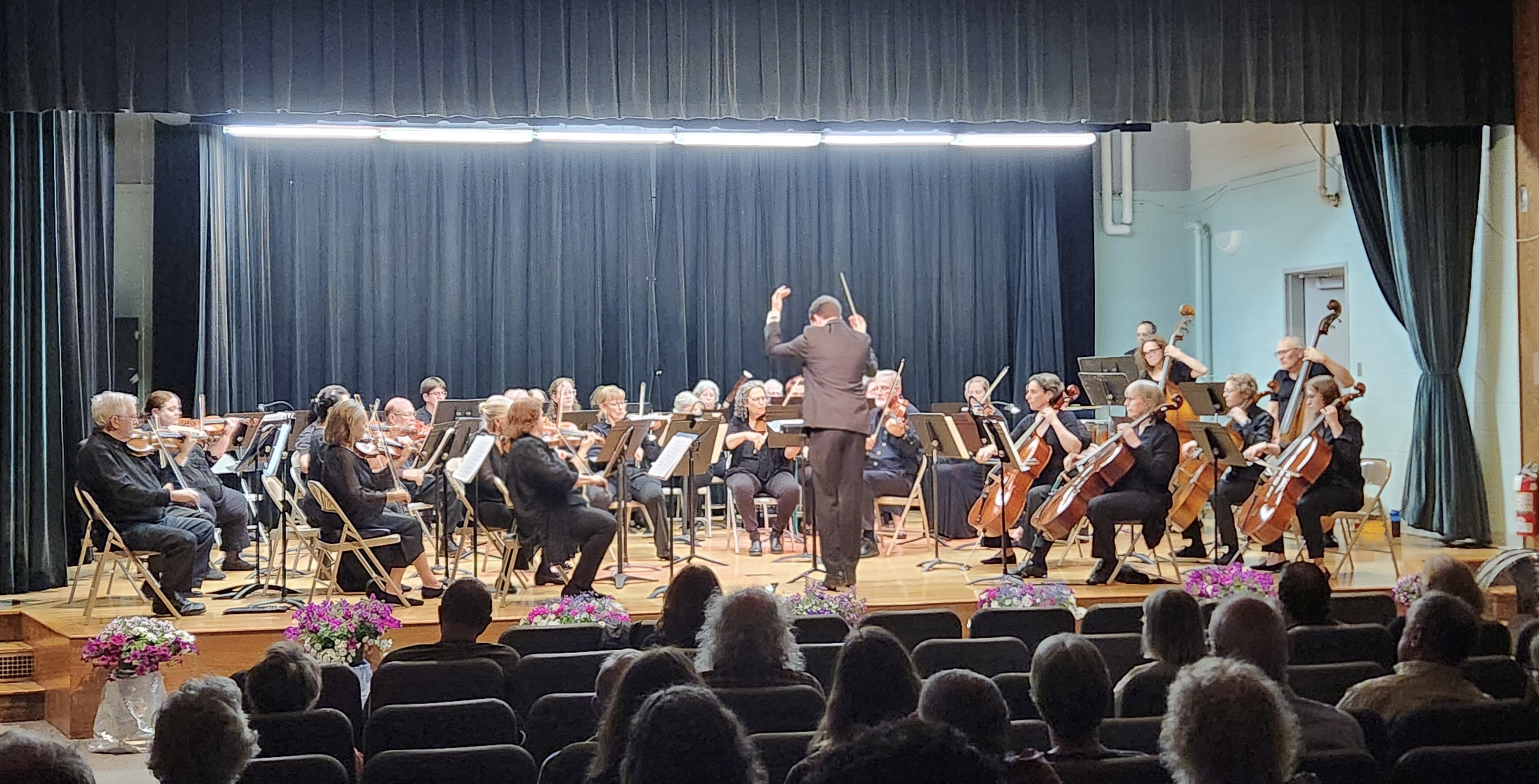
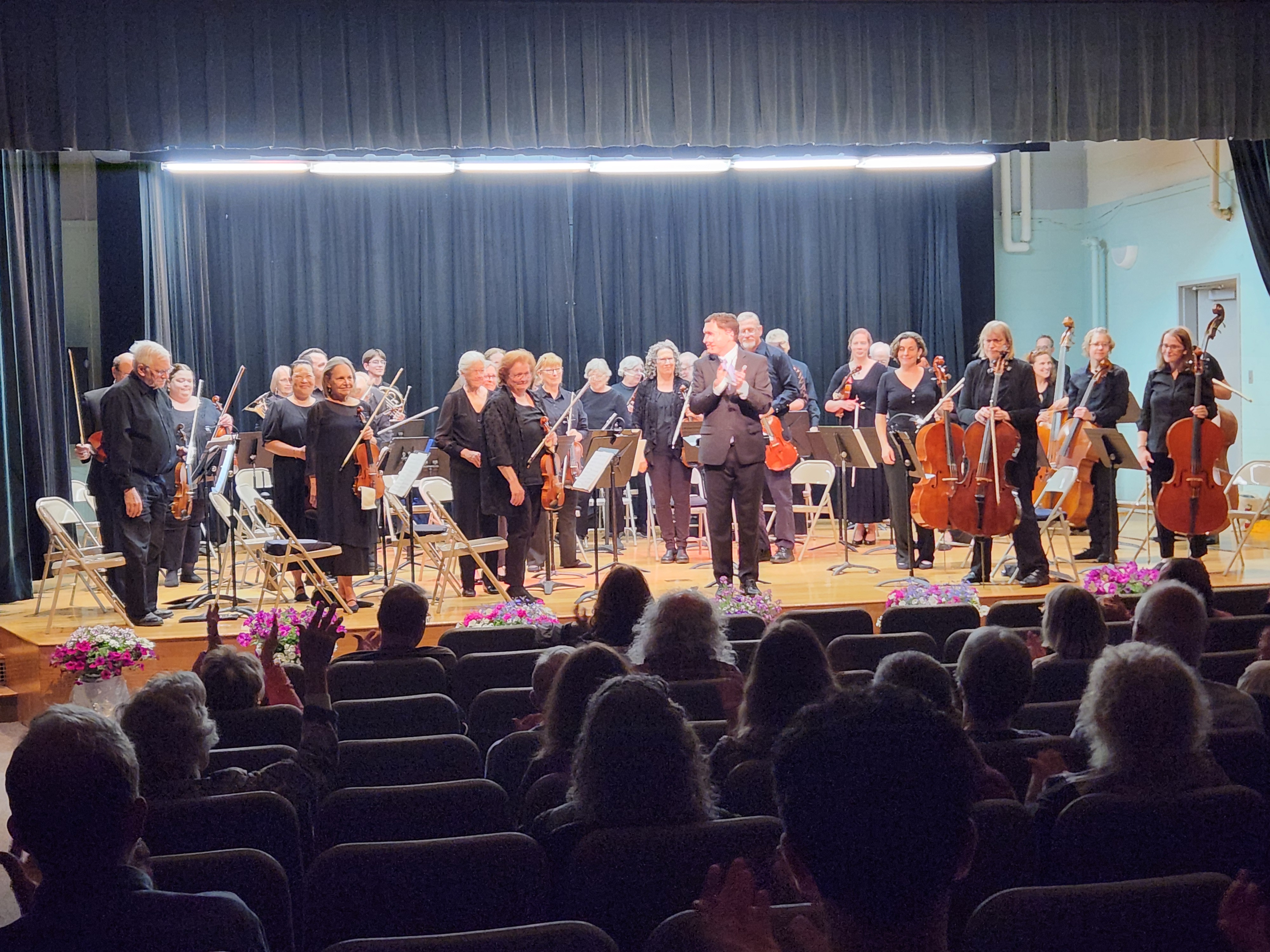
s Spring Concert on May 10, 2025
Gioachino Rossini (1792-1813) is known for his sparkling, witty, and lively overtures, designed to entertain and cheer an audience, and his Overture to L’italiana in Algeri (The Italian Girl in Algiers) is one of his best. The opera, completed in less than a month, tells the tale of a Turkish Bey in Algiers who is bored by his harem and orders his captain to find him an Italian girl to liven things up. The overture begins with calm and stately pizzicatos from the strings and a gentle oboe solo, followed by a sudden fortissimo outburst from the whole orchestra, some delightful woodwind solos, and several vibrant “Rossini crescendos,” setting the stage for the zany and implausible tale of love and intrigue, which follows.
Mozart presented his five violin concertos, composed between 1773-1775, during his concertizing tour between 1777-1779. These concertos perfectly promoted his talents as a skillful composer as well as a masterful violinist. Concerto No.3 in G major demonstrates a variety of his best qualities.
Soloist Guiomar (Gigi) Turgeon describes the concerto: “The first movement is delightfully cheerful and energetic. The second movement is a true Adagio (rarely used by Mozart) which includes the gentle tones of muted strings, pulsating rhythms, plucked bassi and delicate flutes to create a beautiful and serene color. The third movement displays Mozart’s quirky humor. Throughout his rustic theme, he inserts the Austrian “Strassburger” tune which without a doubt displays his sentimental ties to his Salzburg home.
“Within this single composition, Mozart satisfies with buoyant energy, surprising color and whimsical flare making this an audience favorite.”
“I’m excited to be working with Gigi as our soloist for this concert,” said Hayn. “Her playing is so delicate and expressive; it’s a real inspiration to the players.”
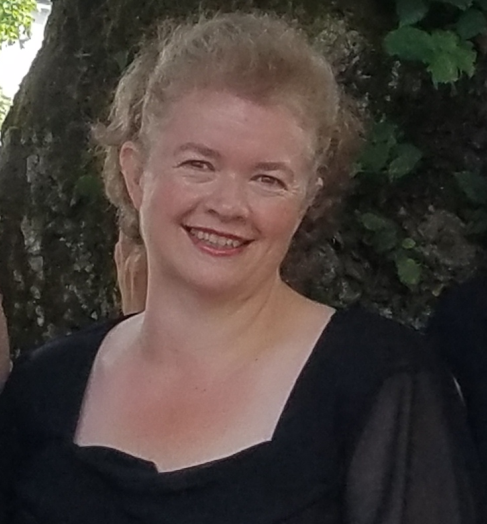
Turgeon is a third-generation musician who began her violin studies at the age of three. Under the tutelage of prominent violin masters Helmut Braunlich, Louis Wolcott, Joseph Silverstein, Aaron Rosand, Denes Zsigmondy and Yuri Mazurkevich, she continued her music studies through Catholic University, the Nice Conservatoire, the Mozarteum in Salzburg, and Tanglewood and received her B.M and M.M from Boston University.
She has worked in orchestras under the batons of Leonard Bernstein, Christopher Hogwood, Grant Llewellyn, Seizi Ozawa, John Williams and has performed at Tanglewood, The Library of Congress, D.C., The Kennedy Center, Proms London, Jordan Hall, Symphony Hall and the Vatican for Saint Pope John Paul II.
Currently, Ms. Turgeon serves as the concertmaster of Dedham Choral Society and performs regularly with many Boston ensembles. She holds tenure positions with Boston Baroque and Handel & Haydn Society and has toured the U.S and Europe with both groups.
She is the artistic director and founder of the Clerici Chamber Music Series which features a wide range of musical styles from historical baroque to contemporary modern.
The 2025-2026 season marks the third year Ms. Turgeon returns as concertmaster with the Falmouth Chamber Players Orchestra.
Joseph Haydn (1732-1809) was known as the “Father of the Symphony” for his role in defining the classical musical style. He achieved worldwide fame during his lifetime, writing a total of 104 symphonies. No. 101 is part of a group of twelve “London symphonies,” so-called because they were commissioned to be performed in that city. Composed during the winter of 1793-1794 in Vienna, and premiered to in London in March of 1794, No. 101 is known as the “Clock” symphony because of the “tick-tock” rhythm created by the pizzicato lower strings and staccato bassoons in the second movement. Immensely popular at its premiere, the symphony is still regarded as one of the world’s greatest symphonies. It shimmers with energy, intensity, wit, and charm.
A donation at the door of $20 for adults and $5 for young professionals is suggested, with free admission for students. Tickets are available only at the door. For more information, visit falmouthchamberplayers.org.
The FCPO is funded in part by the Arts Foundation of Cape Cod, the Falmouth Cultural Council, the Mass Cultural Council, the Cape Cod Melody Tent, and the Woods Hole Foundation.
 Notes on The Arts